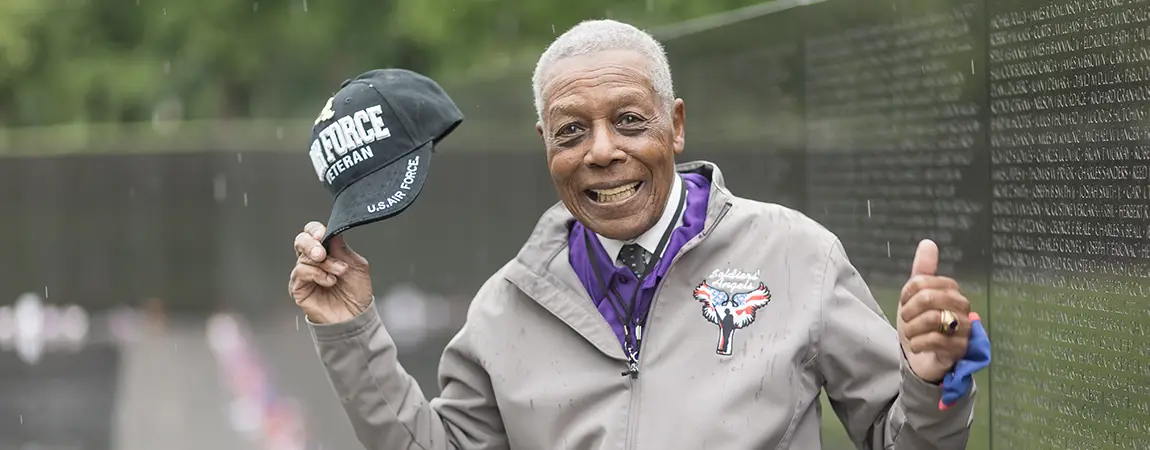
Born in Mississippi and raised in Chicago, EJ, 89, was one of six children in a family living in Chicago’s public housing projects, known for a high concentration of urban poverty. In a part of the city where most students didn’t seek education past the eighth grade, EJ’s parents were determined that he would follow a different path.
“I watched a lot of my friends in high school go to jail, get beat up, do drugs. I decided not to be a part of it,” EJ recalled.
EJ watched his father support his mother in everything she wanted to achieve, including starting her own hair salon and becoming a fashion designer. Motivated by his hardworking parents, EJ graduated from high school and went back to Mississippi to join the U.S. Air Force. He served in the Philippines during the Vietnam War deciphering Morse code, where he learned to touch type at 65 words a minute.
Achievement alongside racism
Always full of positivity, EJ quickly rose to the ranks of squad leader where he was in charge of 16 other men. But some of his fellow service members were uncomfortable having a squadron leader who was Black.
“Once when I came home to my room, there was a sign drawn in blackface and it said ‘n—-r, go home.’ I sat everyone down and told them it was a Court Marshall offense,” EJ remembered. “I said, number one, this picture does not depict my pretty brown skin and number two, if you have a problem with someone on the squad, you need to come talk to me.”
EJ remembered that the young men from the north were ready to fight, but he kept them calm, and dismissed the group. “At about 1 a.m. there was a knock on my door. It was two boys, from Alabama and Arkansas, and they had come to apologize for the sign,” EJ said.
After that, the squadron respected EJ. “By the end of the training, [the same two boys] told me that they loved me. This made me realize that we can all get along one-on-one, but it is hard when you grow up somewhere and your parents teach you a certain way. I can’t believe to this day that I handled it so calmly, because it could have ended a very different way.”
Heading west as a civilian
EJ proudly served in the Air Force for four years, from 1958-1962, where he achieved the rank of an E3 Second Class Airman. Afterward, he didn’t want to go back to Chicago, so he headed west and settled in Denver. His service gave him the confidence to excel in a civilian career at a time when African Americans still were discriminated against for employment.
As the first person of color hired by the city and county of Denver, EJ became a head foreman. Soon after, two people quit because they didn’t want a Black person as their boss. This led to him later being the first person of color hired at Xerox in Denver. And while he once again faced roadblocks due to his race, he persevered to become a top salesman.
Hardships that derailed a life
When EJ’s health took a turn for the worse, the life and fulfilling career he’d built for himself began to crumble. Because of multiple illnesses, EJ lost his job and had to sell his car. Ruptured intestines, two hernias, blood clots, and prostate issues forced him to live with a friend and then later in homeless shelters, when not recovering in the hospital from multiple surgeries. “Having to maintain positivity during homelessness was a big thing I had to overcome,” EJ reflected.
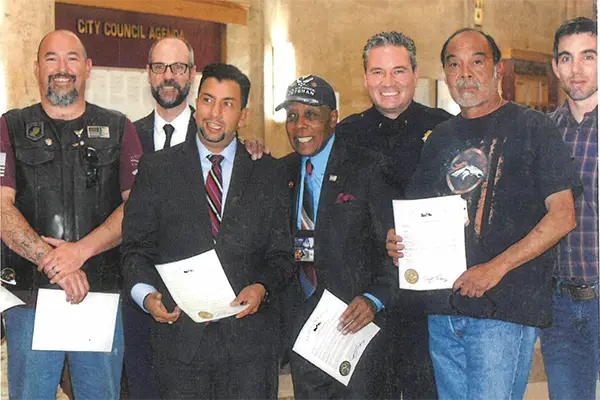
EJ did recover. In recent years, he lives alone in Denver spending most of his time volunteering to support veterans. Whether he is delivering meals, introducing them to resources, or spending time with them, his optimism radiates through all he does. “I just want to show these people that there is hope and that they can create their own future.”
A chance to honor those he supports
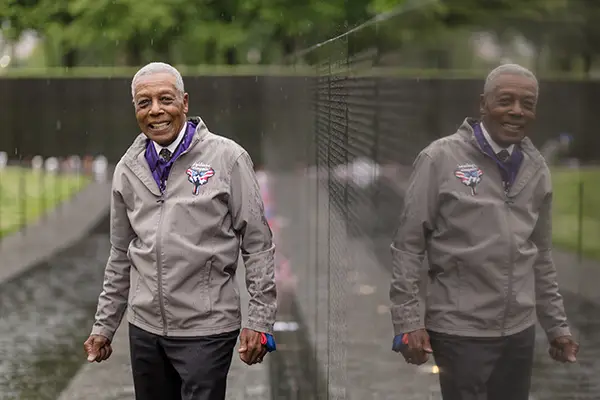
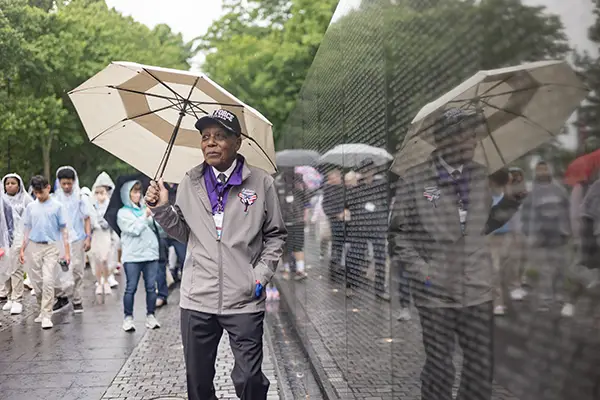
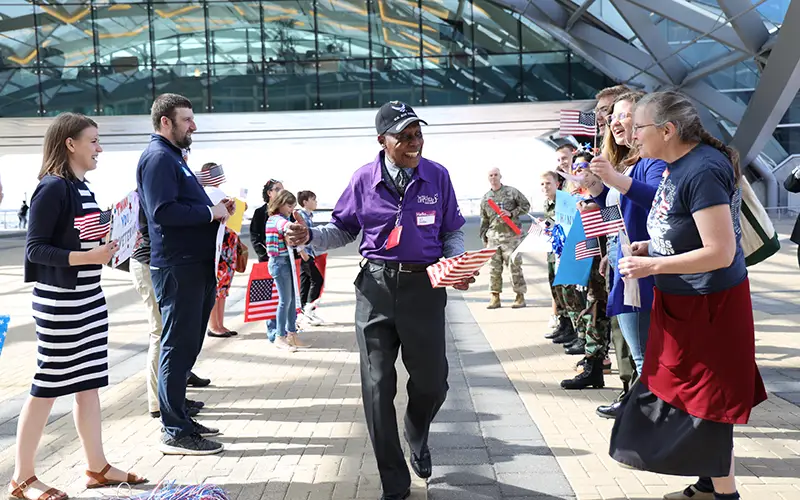
After many years volunteering with veterans, EJ had never seen the monuments in Washington, D.C., built in honor of those who served. Wish of a Lifetime knew EJ was the perfect choice for our Voyage of Valor program for veterans, which includes a trip to experience Washington, D.C.
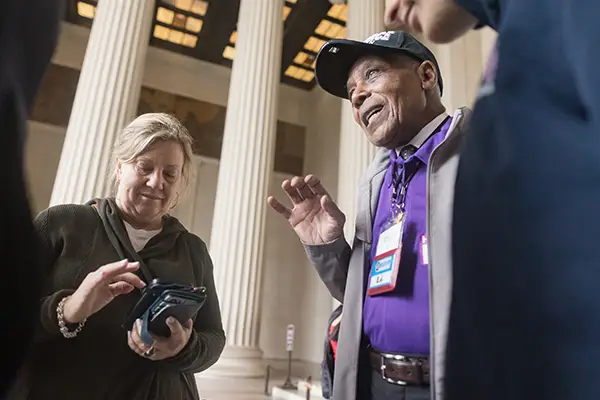
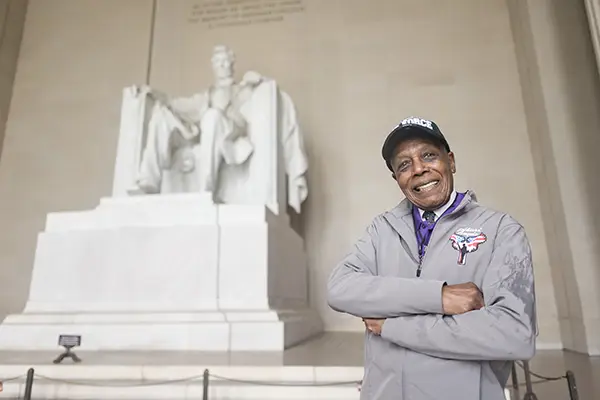
The reality of the trip was more than EJ had imagined. “Going into the Lincoln Memorial and seeing the description on the wall broke me down in tears. While I was standing there, a family came up to me and thanked me for my service. We talked for 20 minutes, and I got pictures taken and got their email address,” he shared.
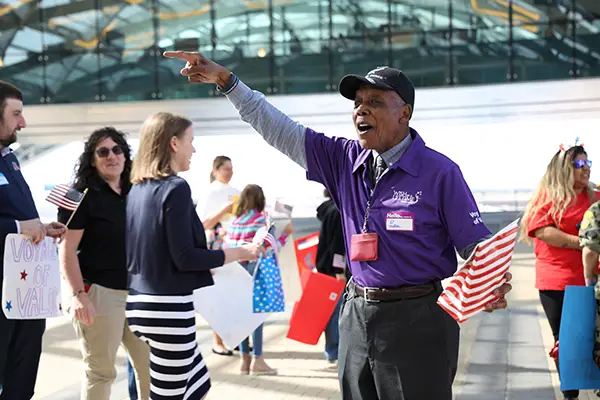
As a man who always seeks out connection, EJ relished hearing other veterans on the trip share their stories, meeting a man from his hometown of Chicago, and speaking to someone from Colorado who promised to take him to an Air Force football game.
After experiencing racism in both military and civilian life and recovering from multiple illnesses, the trip reinforced EJ’s positive outlook—a perspective that adversity had threatened to take from him. The experience also gave him something he could share with the veterans he volunteered with back in Denver.
“When you ask me what the highlight was, it was everything,” EJ said. “It was magical all the way.”
How do you stay positive through hard times like EJ did?
AARP articles offer help and hope:
Focus on small moments. In a 2025 study in Psychology of Popular Media, people who spent just five minutes daily meditating or watching professionally produced inspirational videos felt more hopeful than those who scrolled social media. And some research indicates that short, intentional amounts of time might be even more helpful than longer activities.
Cling to trusted relationships. In the midst of unpredictability, pivotal people in your life can hold you up when everything else is crumbling around you. Reach out to them.
Keep learning. Focus on how you’ve dealt with hard times in the past. What helped you through? Learning new skills to help you get through a situation and come out stronger is linked with being more resilient, the National Alliance on Mental Illness reports.
Don’t miss a wish story!