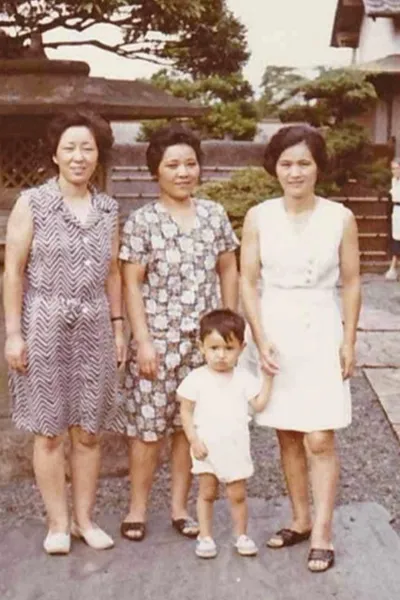
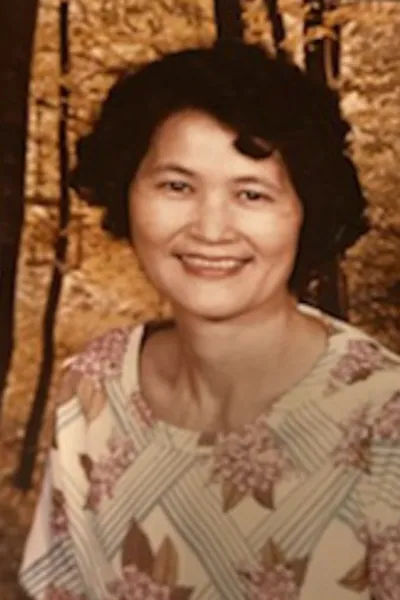
Born in Yokohama, Japan, Anita’s mother, Terumi Kubota Garcia, came to the U.S. in the early 1950s with hope for her future. She married and raised eight children in Texas, but family life was never what Terumi had envisioned.
Without the ability to speak English well and with no support system, Terumi endured years of isolation and emotional abuse. At only five years old, Anita remembered finding her mother in the garage, crying and alone. To make matters worse, a group of neighborhood women petitioned to have the family removed because Terumi was Japanese. At the time, many Japanese families still faced lingering prejudice following World War II, when fear and distrust of people of Japanese ancestry remained common in some communities.
Anita didn’t fully understand everything that was happening, yet she faced her own trauma as a child. She wasn’t allowed to play with a neighbor boy because of her heritage. Her father was emotionally abusive to her and would pretend to hit Anita and her siblings, creating an environment of fear.
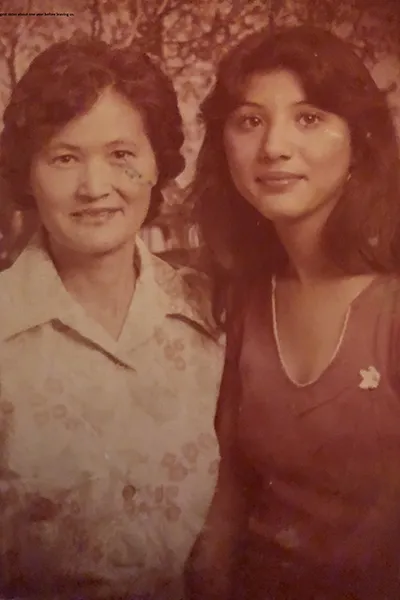
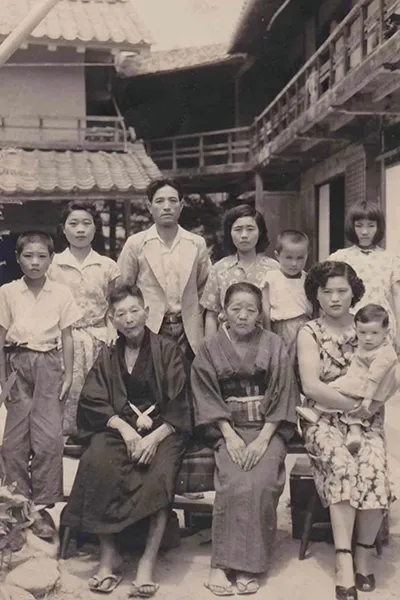
In 1969, Terumi tried to escape with Anita’s youngest brother but eventually returned for the sake of her other children. When Terumi developed leukemia in her late 40s, Anita cared for her. At age 52, Terumi passed away after a lifetime of hardship in a country that never felt like home.
“We never knew anyone from my mom’s family,” Anita shared. “We were really, really, really poor. There was no money available to visit Japan. It was heartbreaking that she could never visit.”
Building a better life
Because of her traumatic upbringing, Anita always knew she wanted to make a difference in the lives of children. Despite losing her husband when her son was a baby—just nine months before her mother passed away—Anita persevered. She earned both a bachelor’s and master’s degree and went on to teach middle school for 30 years, focusing on reading and English.
“Those were the happiest moments of my life,” Anita recalled. “I loved [my students], and they loved me … I could talk to any kid out there.”
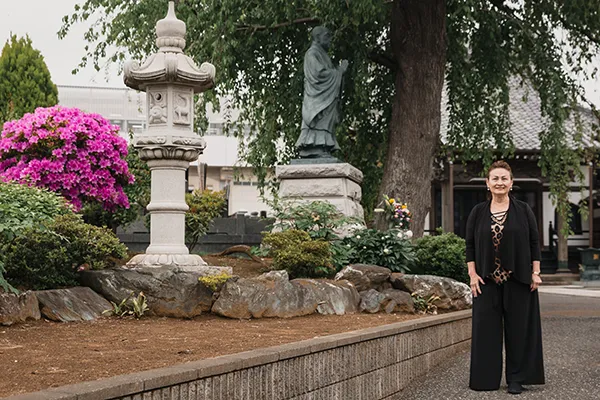
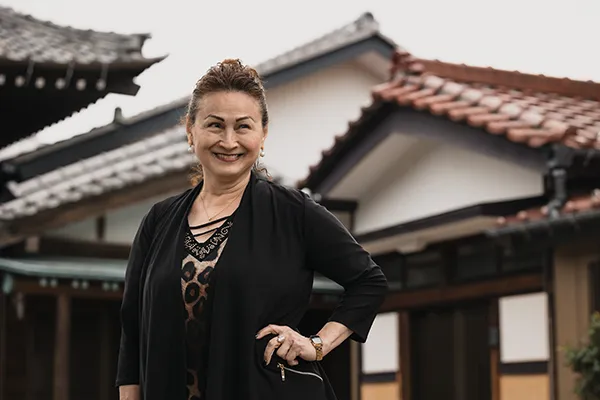
Rekindling a dream
In her retirement, Anita continued substitute teaching and volunteering through her church. Her life remained centered on service to others, yet she held on to one deeply personal wish: to visit Japan and connect with her mother’s long-lost family. It was something she had dreamed of since her mother’s death in 1980, but financial limitations made it impossible.
“Japanese identity is so important to me and my kids. But we don’t know anything other than what I know about my mom. I don’t know how to keep the culture alive because I don’t know what it is,” Anita reflected.
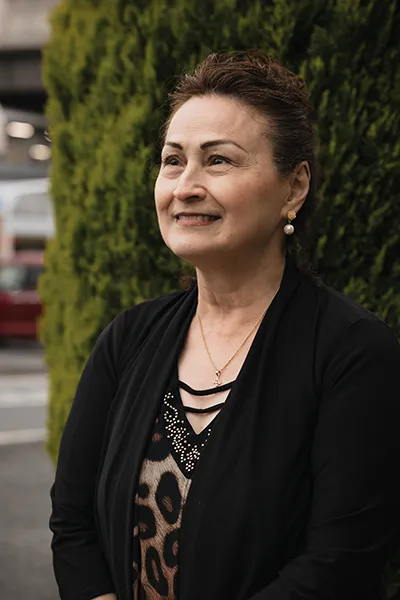
At age 68, Wish of a Lifetime gave Anita the opportunity to reconnect with her mother’s memory by traveling to Japan to immerse herself in the culture, and finally meeting her mother’s family.
Connecting at last
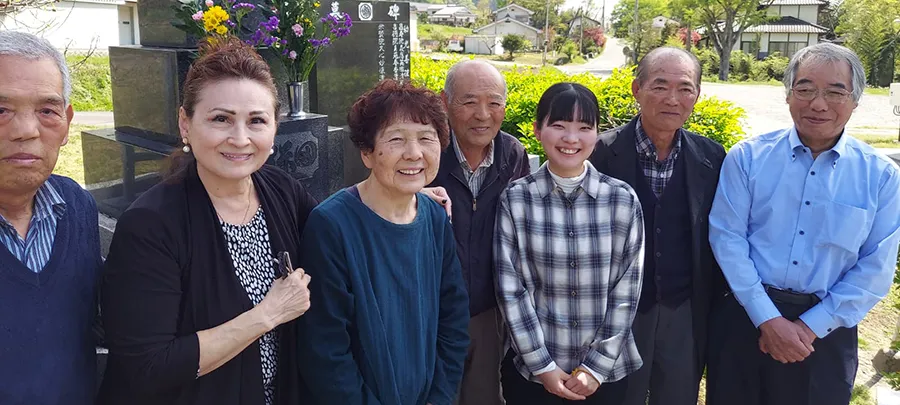
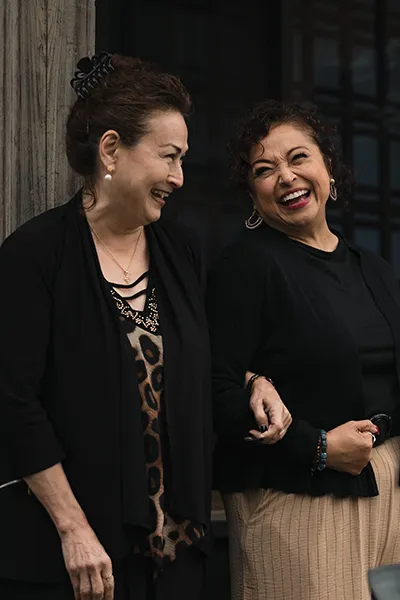
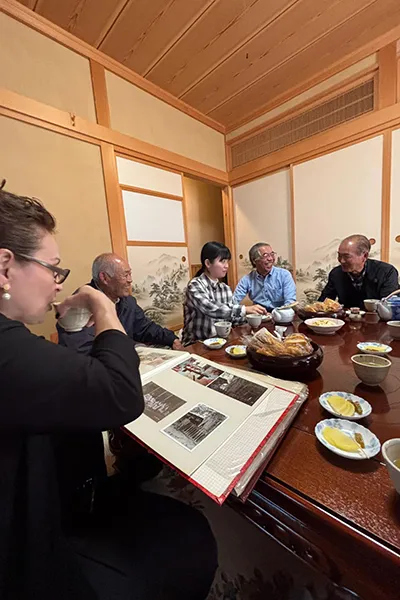
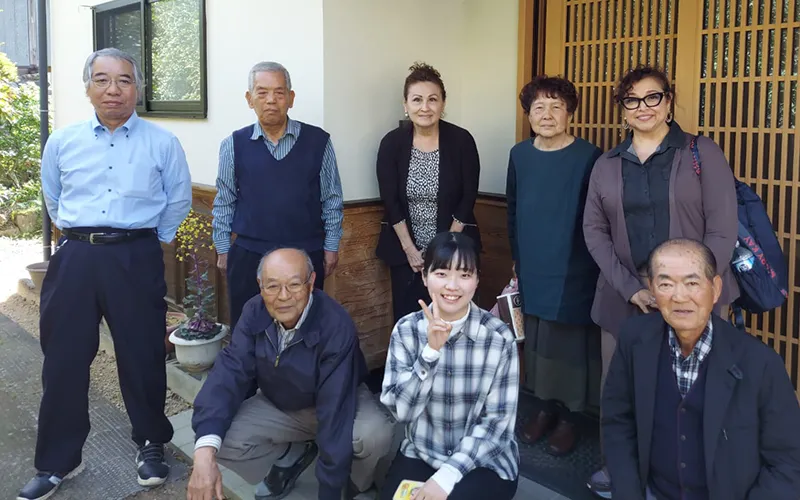
With her friend Sonia as her companion, Anita was greeted in Japan by a cousin who graciously took her everywhere and helped her feel at home. Her mother had been one of 13 siblings, and one by one, cousins and extended family members came to meet her.
One uncle shared old photo albums and even gifted Anita photos to take home. “I was in shock,” Anita remembered. “We hugged, even though Japanese people don’t [usually] hug. It was so emotional.”
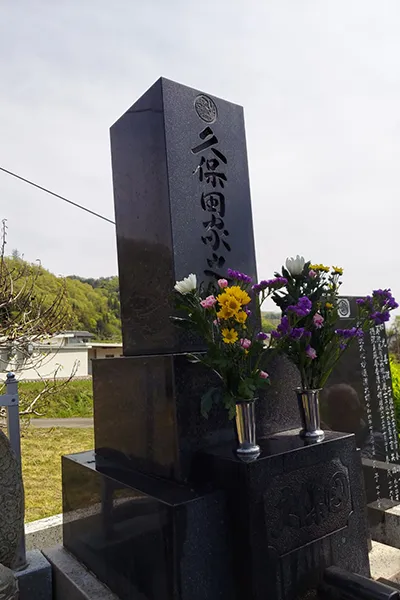
One of the most powerful moments was visiting her mother’s childhood home, which still remains in the family, along with the gravesites of her relatives.
“Before we even arrived, I got emotional imagining my mom walking on this land,” Anita shared. “When we reached her home and the graves, it felt unreal—melancholic and peaceful at the same time. I didn’t want to leave. I felt sad, happy, and incredibly fulfilled all at once.”
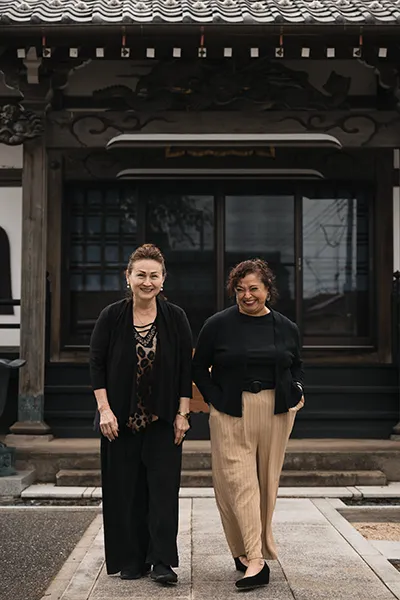
Despite a language barrier with her relatives, Anita left feeling deeply bonded to them and plans to keep in touch. She also felt a profound spiritual connection to her mother throughout the journey. “The whole time, I was talking to her,” she said. “I swear she was helping me. I felt her with me. I’ve never felt so close to my mother.”
Motivated to do more
The experience brought healing, joy, and a sense of belonging that Anita didn’t know she was missing, while simultaneously reshaping her future. She returned mentally and emotionally transformed, carrying thoughts of Japan with her every day.
Soon after she returned home, Anita found a moment to share her journey at an event in the AARP Texas state office. Surrounded by volunteers and members of the San Antonio community, she opened her heart about her rich cultural roots and the life-changing wish experience that shifted her perspective. “I think about Japan from morning to night,” she shared. “I want to tell the world about it. I’m not afraid anymore—I want to go back.”
Her story inspired everyone in the room and was a reminder of the incredible power of hope, courage, and the pursuit of long-held dreams.
Don’t miss a wish story!