From the first time he heard the crack of the bat and cheers from the crowds, Ken was in love. At age eight, his father took him to his first baseball game—the Milwaukee Braves—nearly two hours from their home in Appleton, Wisconsin. The ballfield became the place Ken wanted to be after that.
With seven siblings growing up on a farm, baseball became a welcome escape from daily chores. It was also a special time that he could bond with his father.
A lifelong passion for baseball
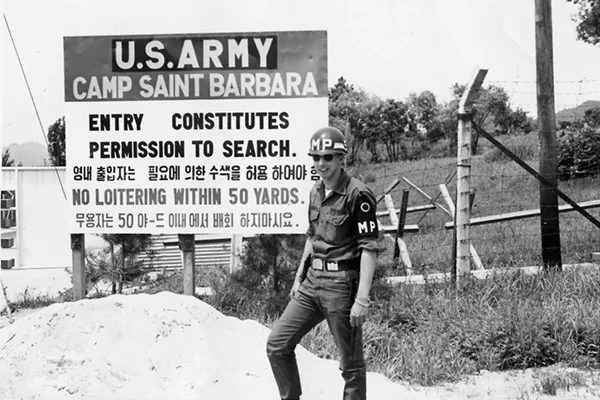
Baseball remained a steady presence regardless of Ken’s circumstances as he grew older. A Vietnam War veteran, Ken volunteered for the draft. The Army sent Ken to Korea, where he served as a dog handler stationed in the Korean Demilitarized Zone (DMZ) from 1967 to 1969. Any chance he could, Ken organized baseball games with other service members, created small tournaments, and even built a field on base.
“Baseball was a big part of it because it brought us back to reality and calmed us down a little bit and [helped us] continue our duty,” Ken, now 78, remembered.
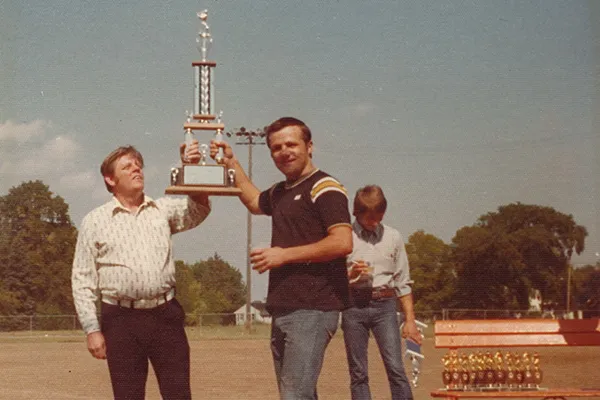
When he returned home to Wisconsin, Ken applied for a job at a paper factory and trained to be a millwright, where he maintained and repaired heavy industrial machinery. On his days off, baseball was life. He helped build a community baseball field in Harrison, Wisconsin, by raising funds through local tournaments. More than 50 years later, that field has grown into a larger, more complex structure, still used by families.
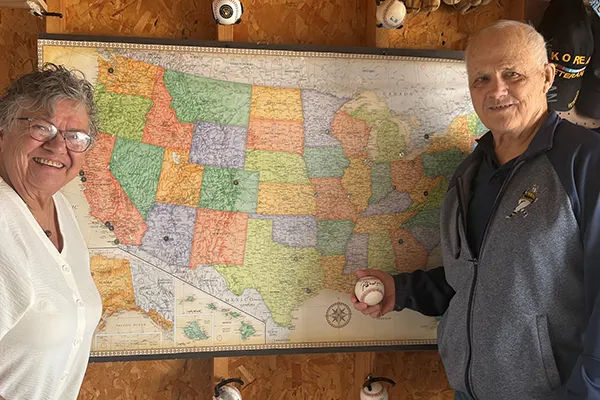
When he married and raised children, baseball became a family tradition. Ken, his wife Vicki, and their three daughters visited major league ballparks all across the country. In each city they visited, Ken grew to love the distinct character of each stadium. They placed a pin on a map in their home to mark each one and set a goal of seeing all 30 stadiums.
“Every stadium is different, but the people are the same,” Ken said. “They love their game.”
Baseball dreams on hold
Ken had visited 25 ballparks when health challenges began to derail his family’s goal. After two knee replacements, he was no longer able to walk with his family, making stadium seating a challenge.
Then in 2017, Ken was diagnosed with cancer linked to Agent Orange exposure during his military service. Through ongoing cancer treatments, increased medical costs, and mobility challenges, visiting the five remaining ballparks during his lifetime felt out of reach.
A dream fulfilled
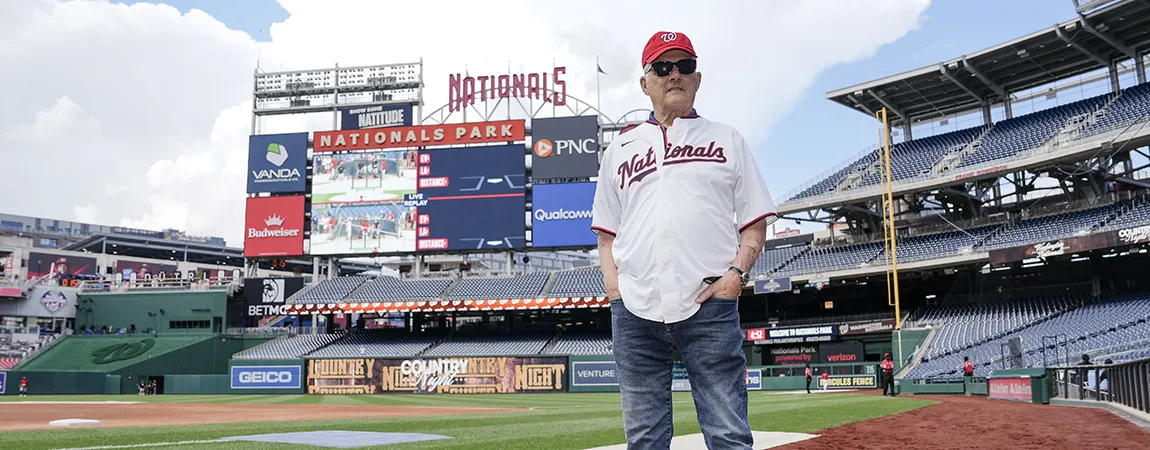
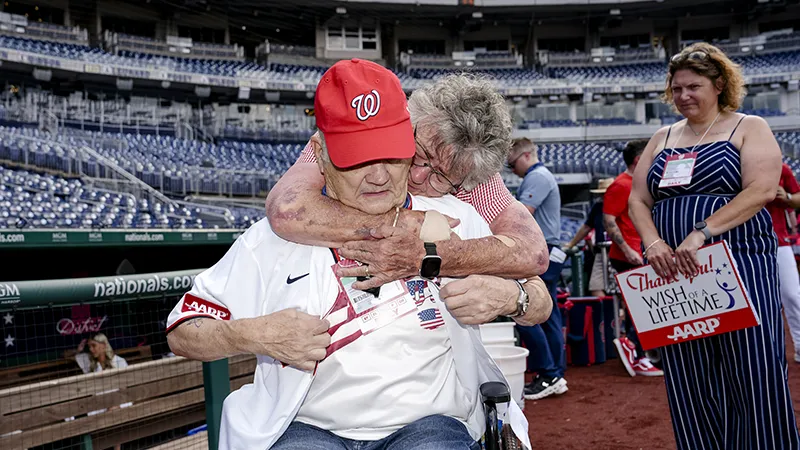
With support from Wish of a Lifetime, Ken’s dream came true. He and his family traveled to the remaining stadiums: Citi Field (New York Mets), Yankee Stadium (New York Yankees), Citizens Bank Park (Philadelphia Phillies), Oriole Park at Camden Yards (Baltimore Orioles), and finally National Park (Washington Nationals).
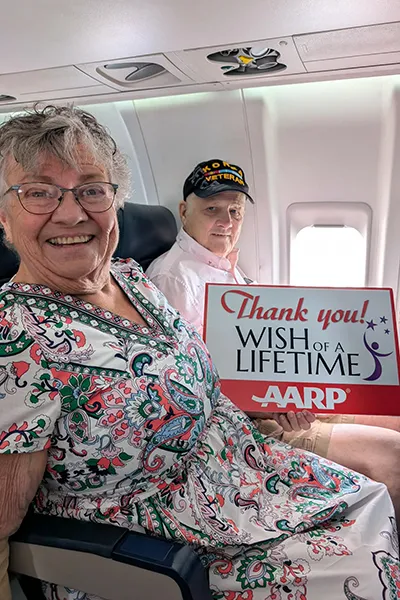
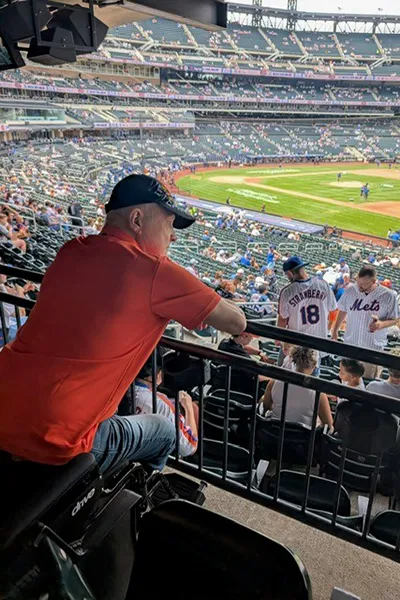
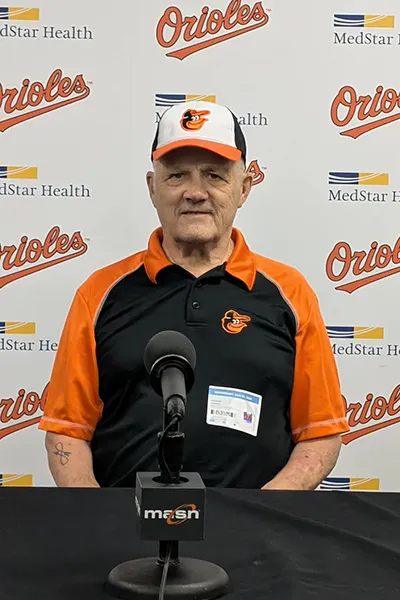
Throughout the journey, Ken experienced moments that once felt impossible: flying into New York and seeing the city below, visiting the Yankees museum and holding Babe Ruth’s bat, standing on the field for batting practice, traveling by Amtrak for the first time, getting a fist bump from the Phillies Phanatic mascot, and receiving unexpected souvenirs arranged by our official hotel provider, Wyndham Hotels & Resorts.
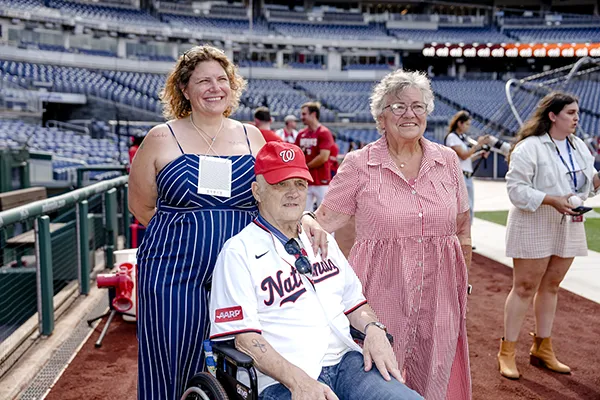
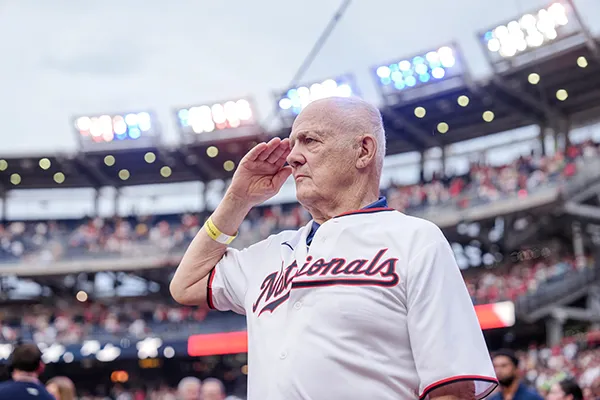
In Washington, D.C., the Nationals helped create a powerful finale. Ken met players and club leaders, stood with umpires during the lineup exchange, and enjoyed special access to the Terra Club and Hell’s Kitchen. He even received a personalized Nationals jersey with the number 30 to honor his milestone.
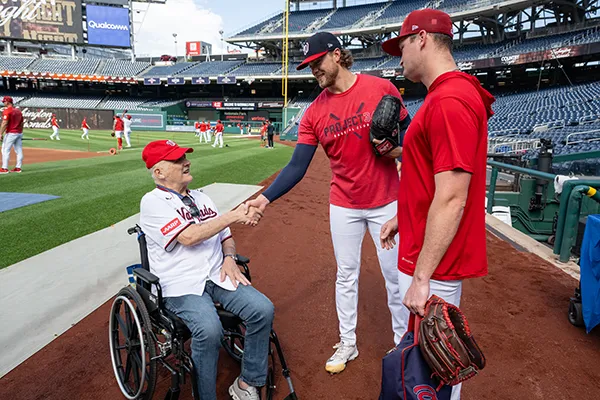
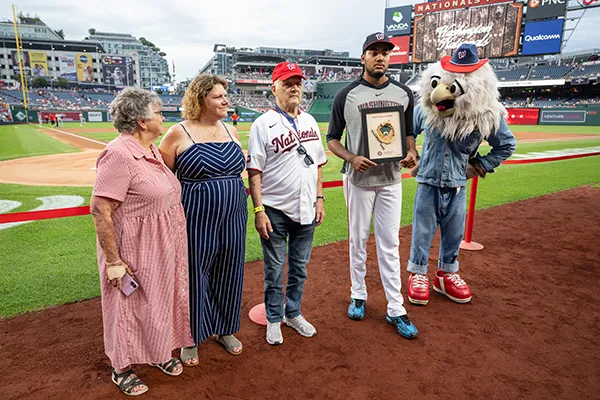
“This is really something that I would never dream of happening,” Ken said. “It’s amazing that there are so many nice people out there that would do this … so selfless.”
Having Vicki and his daughter alongside him made the experience even more meaningful. Ken said he often gauged how much fun they were having by watching their reactions to his own excitement.
A lasting impact
Back in Wisconsin, the photographs and souvenirs from the trip now have a place among Ken’s collection of baseball memorabilia. And the final pins were added to his family map that documented more than 25 years of travel.
Vicki also saw the impact of the trip in quiet, meaningful ways. Despite suffering from cancer, Ken was calm, present, and looking forward to each step on the eight-day journey. He began asking for photos and wanting reminders of the trip—something that was unusual for him.
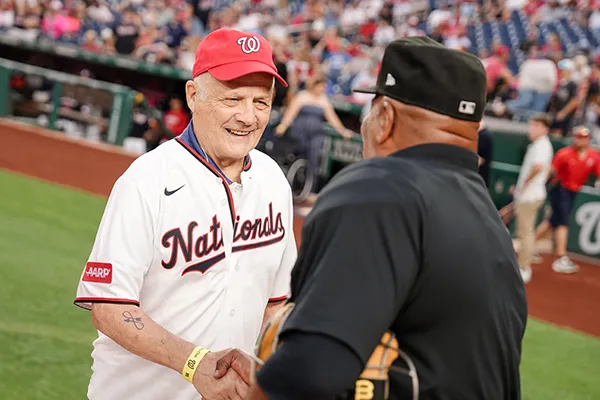
“It wasn’t just a visit to a ballpark, it was a visit to a dream,” Vicki shared.
Inspired by the kindness shown by donors, volunteers, baseball clubs, hotel staff, accessibility staff, and supporters along the way, Vicki now wants to give back to others in a similar way. “I want to be the help that was there for us,” she said. “I want to give more to the community and help other people on their journeys.”
How can you travel with disabilities, like Ken? AARP articles offer help, hope, and inspiration:
If flying, call TSA Cares (855-787-2227). This helpline for people with disabilities, medical conditions, or other special circumstances can answer your questions up to 72 hours before your flight.
Research destinations that are more accessible for people with mobility challenges. A place you may not have considered might be the best fit for your needs.
Consider a road trip with accessible options. When the journey is more enjoyable, so too will be the destination.
Don’t miss a wish story!